Buy your weekday smoothies and get your weekend ones for free. (7 for the price of 5!)
WELLNESSWEEK


What if the most memorable hospitality spaces began not with a familiar idea of luxury, but with your own sense of beauty? My luxury hospitality design services start with listening to how you see and feel beauty, then shaping that vision into an environment with a distinct character.
A hospitality space needs to feel expressive and original, but it also has to work in daily use. Guests should feel welcomed, understand how to move through the space, and find places to gather or pause. The strongest design brings atmosphere and ease together.
In this article, I’ll explain how I develop a hospitality concept and carry it through to execution, connecting a property’s identity with the spaces guests experience. I’ll also explore how custom furniture and collaboration with artisans can give a design story depth and character. From the first ideas to the details guests encounter, every choice can contribute to one cohesive vision.
I want a hospitality space to feel distinctive from the moment a guest arrives, and welcoming enough that they can settle in without effort. Those qualities don’t come from a striking object or a beautiful room alone. They emerge when the property’s identity, the client’s vision, and the way guests use each space are considered together.
Luxury hospitality design services connect a property’s vision with its spaces, furnishings, and guest experience. Choosing décor is only one part of that work. I develop a concept around how you see and feel beauty, then carry its character into the rooms, shared spaces, and furnishings guests encounter. The result should feel personal, not assembled from unrelated gestures.
Arrival areas, shared spaces, and guest rooms each shape how a property is experienced. A welcoming entrance can set a calm, confident tone. A lounge may invite conversation, while a guest room offers a quieter, more private mood. The transitions between them matter, too. I consider how proportion, materials, furnishings, and light can make spaces feel connected without making them identical.
Texture and detail give a concept a more human dimension. A custom piece created in collaboration with Mexican artisans can carry a story into a room rather than simply fill an empty corner. That sense of intention helps the design feel specific to the property and to the people behind it. For a foundational overview of how planning and different hotel functions come together, see these hotel design principles.
Character and practicality can come from the same decision. The placement of seating, for example, can make a shared room feel composed while leaving a natural path through it. A quieter nook can offer privacy without separating guests from the atmosphere around them. I consider movement, gathering, and privacy as part of the design itself, not as concerns to address after setting the visual direction.
That balance matters in intimate properties, where a small number of thoughtful choices can shape the whole experience. My approach to resort interior design services connects the initial vision with the spaces and furnishings that bring it to life. If you’re exploring how character and comfort meet in a smaller-scale property, my perspective also connects naturally with the ideas behind boutique hotel interior design.
A successful concept gives guests a sense of welcome and discovery while making each space intuitive to use. It should feel expressive without putting appearance ahead of the experience of being there. To see how private oceanfront properties balance social gatherings with secluded comfort, learn more about Villa Cielito del Mar.
I begin with the story you want the property to tell, then translate it into choices guests can see, touch, and live with. My luxury hospitality design services connect concept development with spatial planning, furnishings, custom pieces, and execution. The aim is a complete environment, not a collection of beautiful details that happen to sit together.
First, I want to understand what beauty means to you and what you want the property to express. We consider its purpose and the experience you hope guests will have, from the shared spaces they move through to the rooms where they pause and rest. That gives the concept a personal foundation. Your vision leads, while the needs of the space help shape how it takes form.
With that direction in place, I consider how the spaces relate to one another and how guests will use them. Spatial planning means deciding how rooms, furnishings, and pathways fit together. It connects the overall concept to practical decisions: where a table belongs, how seating supports a room’s purpose, and which pieces should be custom made. Furnishings and décor are part of the whole, not finishing touches chosen in isolation.
When a project calls for a piece with a particular character or purpose, I collaborate with artisans to create custom furniture and other elements. Their craft can bring texture and a personal touch into the design. Each piece has a role in the larger story, whether it anchors a room or quietly reinforces its atmosphere.
As the project moves toward execution, I keep returning to the central idea. That continuity helps each decision feel connected, from the arrangement of a space to the furnishings within it. I develop projects from concept through execution, carrying your vision into a cohesive environment rather than treating each stage as a separate exercise.
Here’s the process in brief:
The project conversation page is a place to share the vision you’d like to bring to life.
A distinctive space can be practical, and a practical space can have real character. I don’t treat those as competing goals. I consider what each room needs to support, then make aesthetic choices that help it do so. That keeps the design connected to the property’s purpose instead of relying on a generic checklist of what luxury should look like.
An arrival space may need to feel immediately welcoming and give guests a clear sense of where to go. A lounge might invite conversation, while a quieter corner calls for a more private mood. I look at how people are likely to move through and gather in each space before deciding where furnishings belong. The right balance depends on the property and the experience it wants to create.
This comparison helps me test whether an idea serves both the atmosphere and the way guests use a room:
| Design consideration | Atmosphere | Everyday use |
|---|---|---|
| Arrival | Make the welcome feel considered and true to the property. | Keep the route into the space easy to understand. |
| Guest movement | Use proportion and furnishings to create a sense of rhythm. | Arrange pieces to support natural pathways. |
| Gathering | Give shared spaces a character guests can feel. | Choose seating and placement that invite conversation. |
| Privacy | Use quieter details to create a more intimate mood. | Consider where a guest can pause apart from shared activity. |
| Furnishings | Choose pieces that express the concept. | Make sure they suit the room’s purpose and arrangement. |
A memorable focal point doesn’t need to make a room difficult to use. If a sculptural table anchors a lounge, for example, the surrounding seating and pathways can still feel comfortable and clear. I think about the focal piece and its setting together, so the visual gesture belongs to the room rather than interrupting it.
Custom furnishings can help resolve that relationship. A piece made for a particular space can respond to its proportions and the concept, while adding a crafted detail guests notice over time. Artisan-made furniture is one way to bring that personal quality into a hospitality project; my approach to handcrafted Mexican furniture explores the care and craft behind such pieces.
That is how I approach luxury hospitality design services: each decision should contribute to the atmosphere and make sense in the life of the space. I don’t begin with a fixed formula. I begin with the room’s purpose, then shape beauty and ease around it.
You don’t need to arrive with every decision made. A few clear thoughts about your property, the people you hope to welcome, and the feeling you want to create can give our first design conversation a meaningful beginning. I use those insights to understand what beauty means to you and how it might take shape across the spaces guests experience.
Start with the story you want the property to tell. What should guests feel when they arrive? What kind of experience should stay with them? Then consider which spaces are part of the project and how you imagine each one being used. A gathering room and a private guest room may call for different moods, even when both belong to the same design story.
Images, objects, and material references can help express an idea that’s difficult to put into words. As you collect them, note what draws you in. Is it a particular texture, a sense of history, a balance of color, or the way a room feels intimate yet open? These observations help me shape a direction around your personal sense of beauty, rather than assigning the project a preset style label.
Before we speak, you might jot down:
These notes help me connect your vision to the work itself. Concept development, spatial planning, furnishings, custom pieces, and execution are related parts of creating a complete environment. My resort interior design services bring those considerations together, with the design shaped around the property and the beauty you want it to express.
A thoughtful starting point doesn’t need to be a polished presentation. It simply needs to sound like you.
I want the beauty of a hospitality space to feel personal. That begins with understanding how each client sees and feels beauty, and what they want their property to express. I bring that perspective into my resort interior design and bespoke design work, shaping an environment that feels connected to the people and place behind it. It’s not a preset look, but a considered interpretation of your vision.
Two clients may describe their hopes for a property in very different ways. One may be drawn to quiet simplicity; another may want expressive color, layered textures, and pieces with a strong presence. I listen for the feeling beneath those preferences, then use it to guide the design. The choices should feel like they belong to your vision, not to a style label chosen in advance.
That personal direction informs more than a room’s appearance. It can shape how furnishings relate to one another, how materials meet, and how the character of a shared space differs from a guest room. My luxury hospitality design services connect those choices as parts of one environment, with beauty grounded in your perspective.
I collaborate with Mexican artisans on custom furniture and project-specific pieces. Their skill brings a human dimension to the work, and the process allows a furnishing to respond to the concept rather than simply fill a space. A crafted table, for example, can connect a room’s materials, proportions, and the story you want to tell.
The Ribbon table offers one example of the care involved: it took one year to create. I share more about the character and craft of boutique hotel interior design in this guide, where bespoke pieces can be considered as part of a property’s wider identity.
A project can begin with a conversation about the property, the guests you hope to welcome, and the beauty you want them to experience. From there, I develop the design direction and carry it into the spaces and furnishings. You can also explore my interior design projects to see how different visions take shape.
Every project starts somewhere. Often, it starts with sharing what matters to you.
A memorable property brings its identity into the details guests experience, while keeping each space welcoming and intuitive to use. That takes more than choosing beautiful furnishings. My luxury hospitality design services connect your sense of beauty with the property’s purpose, carrying a considered direction from concept through execution.
I founded my studio in 2000, and I continue to value the care behind creating pieces with meaning. The Ribbon table, made in collaboration with artisans, took one year to create. It reflects how a bespoke piece can hold a place in a larger design story. A clear understanding of your property, guests, and desired atmosphere can help that story begin.
Your vision doesn’t need to be fully formed before we talk. It simply needs a beginning.
I look forward to discovering what beauty means to you and shaping it into a space guests will remember.
I bring the elements of a hospitality interior together, from concept development and spatial planning to furnishings, custom pieces, and execution. The process begins with your vision for the property and considers how guests will use its spaces. Rather than treating décor as a collection of separate choices, I connect each decision to the character you want the property to express and the experience you want to create.
I use interior design to shape how guests experience a property, from the welcome of a shared space to the quieter character of a guest room. Thoughtful placement of furnishings can make movement feel natural, support gathering, or create a sense of privacy. Materials, proportion, and atmosphere add another layer, helping the spaces feel connected while giving each one a purpose of its own.
Yes. I develop custom furniture and project-specific pieces in collaboration with Mexican artisans. A bespoke piece can respond to a room’s proportions and the design concept, rather than simply filling a space. The Ribbon table is one example of this collaboration. It took one year to create, reflecting the care and time that can go into a singular custom piece.
I begin by listening to what you want the property to express and how you hope guests will experience it. I then develop a design concept and consider how spaces and furnishings can support that direction. Custom pieces may be created with artisans as part of the work. I carry the project from concept through execution, keeping the design connected as it takes shape.
I find it helpful to start with a few thoughts about the property, the guests you hope to welcome, and the atmosphere you want to create. You can also list the spaces you’re considering, how they might be used, and any existing priorities. Bring images, objects, or material references that appeal to you, and note what you respond to in them. You don’t need every answer figured out.
I value artisan-made pieces because they bring skilled craft and a personal story into an interior. Working with Mexican artisans allows me to develop furnishings and details for a project’s specific needs, connecting an object to the larger design concept. A distinctive piece can contribute character without feeling separate from its surroundings. Its materials, form, and placement can all help it belong to the space.
The time needed depends on the project and the work involved, so I don’t give one duration that applies to every hospitality design project. I develop design work from concept through execution, and the process is shaped around the project. A custom item may have its own creation period: the Ribbon table took one year to create. That example is specific to the table, not a standard project timeline.
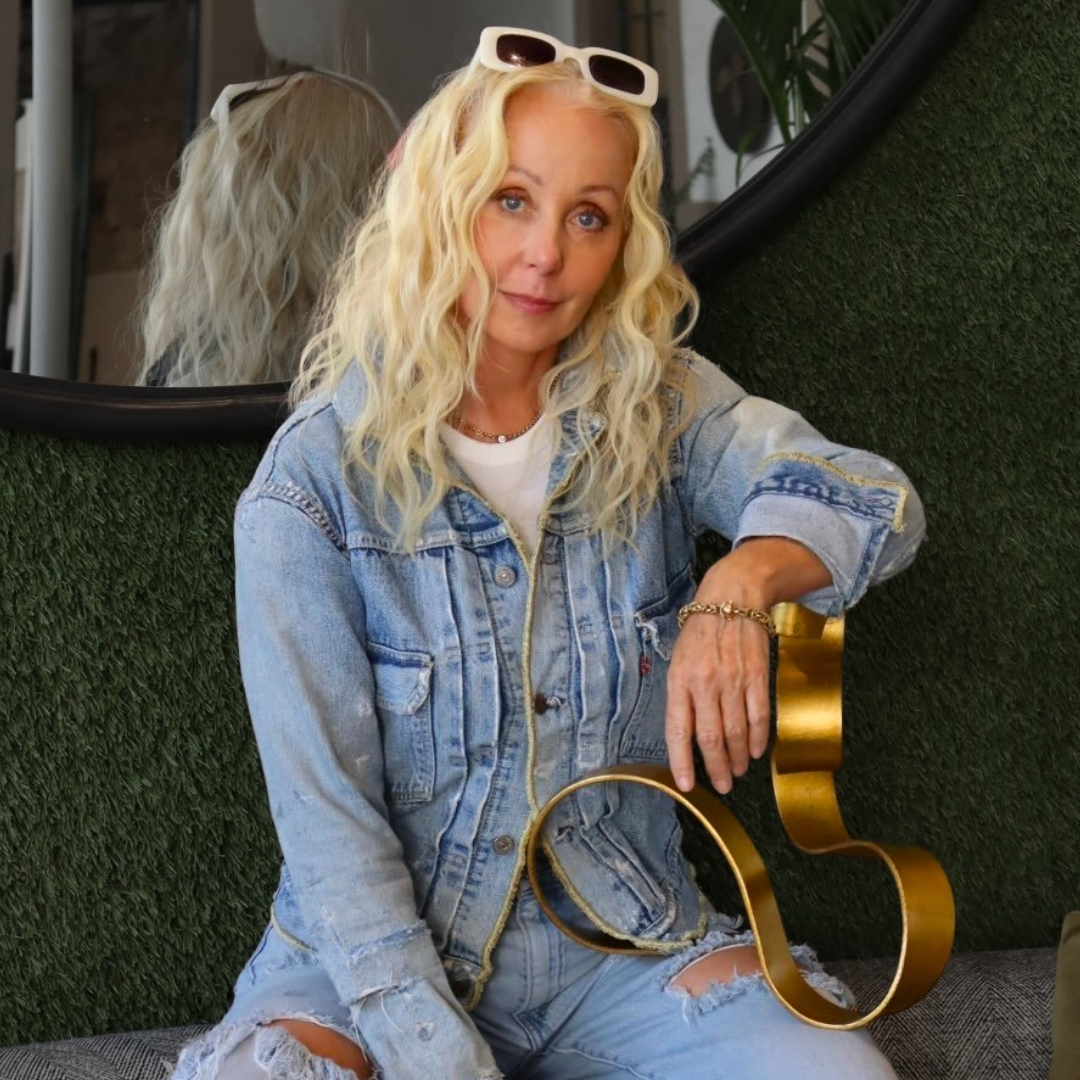
Article by
Rachel Horn Studio
Rachel Horn Studio is a San Miguel de Allende-based interior design studio specializing in luxury residential interiors, historic home renovations, hospitality spaces, and bespoke, artisan-made products for the home. Working across Mexico and the United States, the studio creates layered, experiential spaces rooted in site-specific design, Mexican craftsmanship, art, antiques, and an instinctive eye for the unexpected. From full-scale interiors to custom design and sourcing, Rachel Horn Studio brings a distinctly bicultural perspective to every project.